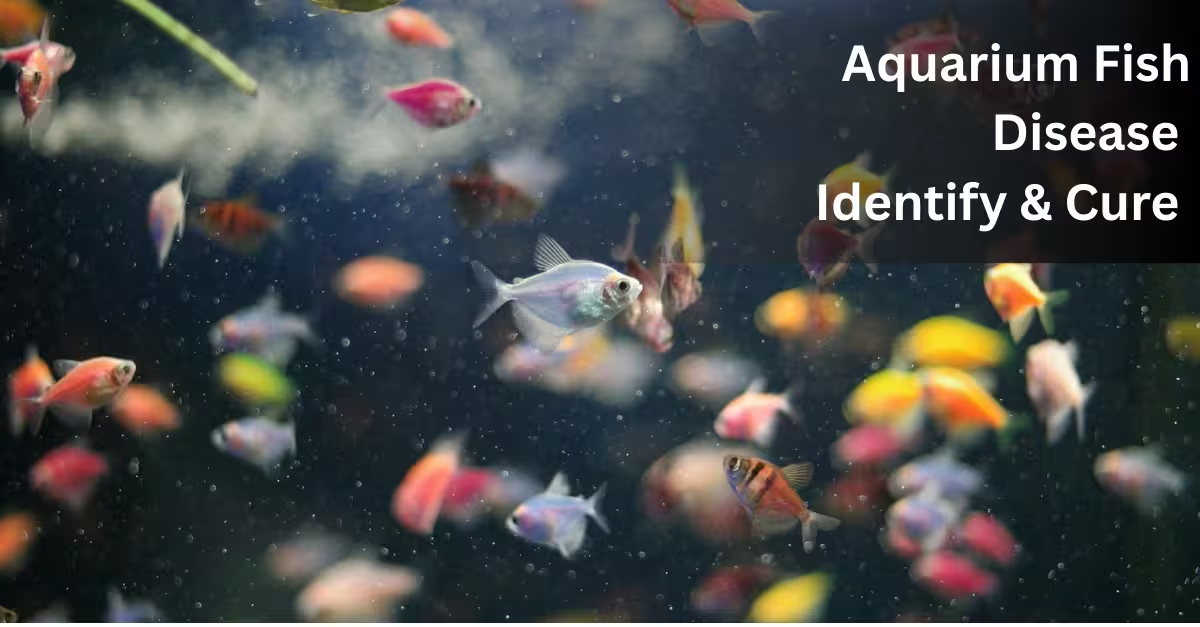
Keeping ornamental fish is rewarding — but sooner or later, every aquarium owner faces a health issue. The key is early identification and correct treatment.
Most Aquarium fish diseases are caused by:
- Poor water quality
- Sudden temperature changes
- Overcrowding
- Stress
- Introducing new fish without quarantine
This guide explains real-time symptoms you will actually see, what they mean, and how to treat them properly.
White Spot Disease (Ich) – The Most Common Problem
What You Will Notice (Real Symptoms)
- Small white dots like salt grains on body and fins
- Fish rubbing against rocks or gravel (scratching behavior)
- Rapid breathing
- Loss of appetite
Many beginners mistake it for dirt — but if the spots increase daily, it is Ich.
Why It Happens
- Sudden drop in temperature
- New infected fish added
- Stress due to poor water
How to Treat (Step-by-Step)
- Increase tank temperature gradually to 28–30°C (if fish species allows).
- Add anti-Ich medication (as per dosage instructions).
- Continue treatment for 5–7 days even if spots disappear.
- Perform 30% water change after the treatment cycle.
Tips: Do not stop medication too early — parasites may still be present.
Fin Rot – Damaged, Tearing Fins
Real Signs
- Fins look torn or frayed
- White edges on fins
- Fins gradually shrinking
- Fish becomes inactive
It often starts small but worsens quickly.
Causes
- Dirty water
- High ammonia levels
- Physical injury
- Aggressive tank mates
Treatment Plan
- Immediately change 30–40% of the water.
- Test ammonia and nitrite levels.
- Add antibacterial medication.
- Improve filtration.
Tips: Mild cases heal naturally if water quality improves quickly.
Fungal Infection – Cotton-Like Growth
What It Looks Like
- White fluffy patches
- Cotton-like growth on body or mouth
- Often appears after injury
Why It Happens
- Injuries
- Poor hygiene
- Untreated bacterial infections
Treatment
- Isolate infected fish if possible.
- Add antifungal medication.
- Maintain clean water.
Early treatment gives excellent recovery results.
Swim Bladder Disorder – Floating or Sinking Fish
Real-Life Symptoms
- Fish floating sideways
- Difficulty swimming straight
- Staying at bottom or surface
- Swollen belly
Common in Goldfish and Bettas.
Causes
- Overfeeding
- Constipation
- Poor-quality food
Treatment Steps
- Stop feeding for 24–48 hours.
- Feed boiled, peeled pea (small quantity).
- Maintain clean water.
Tips: Most mild cases improve within 2–3 days.
Dropsy – Serious Internal Infection
Warning Signs
- Swollen body
- Scales sticking out (pinecone appearance)
- Lethargy
- Loss of appetite
Dropsy is often fatal if untreated.
Causes
- Severe bacterial infection
- Organ failure
- Chronic poor water quality
Treatment
- Isolate immediately
- Use strong antibacterial medication
- Improve tank hygiene
Tips: Early detection is critical; however, there is no permanent cure
Velvet Disease – Gold Dust Appearance
Symptoms
- Yellow or gold dust-like coating
- Clamped fins
- Rubbing against objects
Treatment
- Raise temperature slightly
- Use anti-parasitic medication
- Dim aquarium lights (parasite thrives in light)
How to Prevent Fish Diseases
Prevention is always easier than treatment.
Maintain Water Quality
- Weekly 20–30% water change
- Regular filter cleaning
- Test ammonia and nitrite
Avoid Overstocking
Too many fish = stress + ammonia spikes.
Quarantine New Fish
Keep new fish separate for 7–10 days before adding to main tank.
Do Not Overfeed
Overfeeding causes 70% of aquarium problems.
Stable Temperature
Sudden temperature drops trigger Ich and stress diseases.
When to Isolate a Sick Fish
Use a small hospital tank if:
- Fish is bullied
- Disease is contagious
- Medication may affect other species
Isolation improves the survival rate significantly.
Real-Life Scenario
You notice your guppy rubbing against gravel and see 2–3 white spots. Instead of waiting, you
- Raise temperature gradually
- Add anti-Ich medication
- Continue treatment full cycle
Result: Fish recovers within a week.
Ignoring it for 3–4 days could infect the entire tank.
Final Thoughts
Fish diseases are not random — they are usually warning signs of environmental imbalance.
The moment you notice:
- Behavioral change
- Appetite loss
- Physical marks
Take action immediately.
A well-maintained aquarium rarely faces severe disease outbreaks.
At Petketplace, we encourage responsible ornamental fish care by educating customers on prevention, correct setup, and timely treatment.